
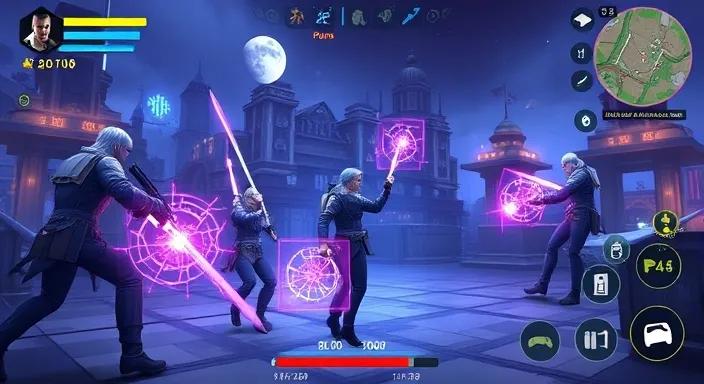
L444 How Online Multiplayer Games Took Over the World
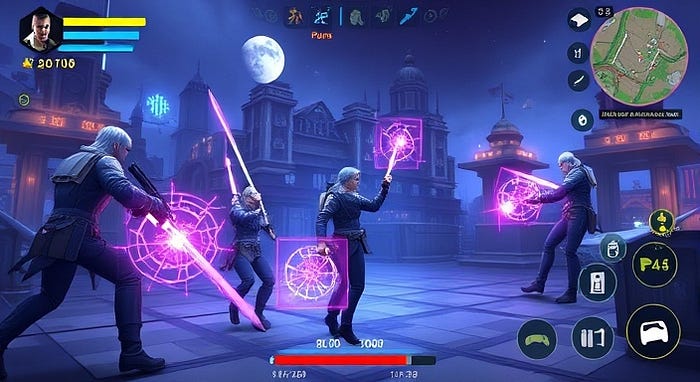
The rise of online multiplayer games has revolutionized the gaming landscape, captivating millions of players across the globe and transforming the entertainment industry. With the advent of advanced technology and widespread internet access, online games have transcended geographical boundaries, creating a universal platform where players can connect, compete, and collaborate. The allure of these games lies in their immersive environments, dynamic gameplay, and the sense of community they foster among players.
Online game developers have been instrumental in driving this revolution. By blending creativity with cutting-edge technology, they have created diverse gaming experiences that appeal to a wide audience, from casual gamers to hardcore enthusiasts. Titles like “World of Warcraft,” “Fortnite,” and “League of Legends” have become cultural phenomena, influencing popular media, spawning esports tournaments, and redefining social interaction in the digital age.
The growth of online games is not just about entertainment; it reflects broader technological and societal shifts. Developers leverage advanced graphics, artificial intelligence, and cloud-based infrastructure to enhance gameplay and ensure seamless connectivity. Meanwhile, the integration of social features like voice chat, multiplayer modes, and customizable avatars has turned gaming into a shared experience, blurring the lines between virtual and real-world interactions.
As online games continue to evolve, their impact on culture, technology, and society becomes increasingly profound. The journey of online multiplayer games from niche hobby to global sensation is a testament to the power of innovation, creativity, and the human desire for connection.
The Evolution of Online Games

Online games have undergone a dramatic transformation since their inception, evolving from simple text-based adventures to immersive, graphically rich experiences. The journey reflects technological advancements, changing consumer expectations, and the relentless innovation of online game developers.
Early Days: Text-Based Beginnings
The earliest online games were modest in scope but revolutionary for their time. MUDs (Multi-User Dungeons), which emerged in the late 1970s and 1980s, allowed players to interact in shared virtual spaces via text. These games laid the foundation for modern multiplayer experiences by introducing core mechanics like cooperative gameplay, exploration, and competition. Though limited by technology, these early ventures showcased the potential of connecting players in real-time.
The Rise of Graphical Online Worlds
As internet connectivity improved, and personal computers became more powerful, graphical online games began to take center stage. Titles like Ultima Online and EverQuest in the late 1990s demonstrated the appeal of persistent virtual worlds where players could forge their paths. The role of the online game developer became increasingly complex, requiring expertise in network infrastructure, graphic design, and player engagement. Developers worked tirelessly to craft expansive universes filled with quests, social interactions, and dynamic economies, setting the stage for modern massively multiplayer online games (MMOs).
The Explosion of Competitive Multiplayer Games
The 2000s saw an explosion of competitive multiplayer games, fueled by faster internet speeds and the growing popularity of esports. Games like Counter-Strike, World of Warcraft, and League of Legends redefined the genre, introducing intricate mechanics and fostering dedicated player communities. Online game developers pushed boundaries, experimenting with new business models such as free-to-play and microtransactions, making games more accessible to global audiences.
Cross-Platform Play and Mobile Revolution

Recent years have ushered in a new era of accessibility and inclusivity in online games. Cross-platform play has allowed players to connect regardless of their preferred devices, breaking down barriers and expanding communities. Meanwhile, the mobile revolution has made gaming more convenient than ever, with titles like PUBG Mobile and Genshin Impact reaching millions of players worldwide. Online game developers have embraced these platforms, optimizing gameplay for smaller screens and leveraging app stores to reach diverse demographics.
Looking Ahead: The Future of Online Games
The evolution of online games is far from over. Emerging technologies such as virtual reality (VR), augmented reality (AR), and blockchain are poised to redefine the landscape. Online game developers are already exploring how these innovations can create more immersive and player-driven experiences. With the potential for truly global, interconnected worlds, the future promises even greater opportunities for collaboration, competition, and creativity in online games.
From humble beginnings to billion-dollar ecosystems, the evolution of online games is a testament to the ingenuity and passion of online game developers and players alike. As technology continues to advance, the possibilities for online gaming remain limitless.
The Role of Online Game Developers

Online game developers play a critical role in shaping the landscape of online games and ensuring their evolution from simple multiplayer experiences to expansive, immersive digital worlds. Their influence begins at the conception of an online game and continues through its development, maintenance, and updates, which are crucial to retaining player engagement in a competitive market.
As the demand for online multiplayer games surged, online game developers were tasked with creating engaging experiences that could accommodate hundreds, if not thousands, of players simultaneously. The role of the online game developer is multifaceted, as they must not only craft a compelling game world but also ensure smooth and reliable multiplayer functionality. From balancing gameplay mechanics to implementing intricate matchmaking systems, developers need to consider a vast array of technical challenges to create a seamless online experience.
Online game developers must also focus on community building, which has become a cornerstone of many successful online games. By fostering player interaction through features like in-game chat, cooperative missions, and competitive leagues, online game developers help cultivate a loyal player base that can last for years. Beyond technical design, developers are responsible for creating a world that feels alive, with regular content updates, seasonal events, and expansions that keep the game fresh and exciting.
The social aspect of online games is another area where game developers have a significant impact. Modern online games often include guilds, clans, and virtual economies, creating a sense of community among players. Online game developers understand that the success of a game doesn’t only rely on its mechanics but also on its ability to create social bonds that keep players coming back.
As technology continues to advance, online game developers are constantly adapting to new trends and innovations in the gaming industry. Virtual reality (VR), augmented reality (AR), and cloud gaming are just a few examples of how online games are evolving. Developers are at the forefront of these shifts, ensuring that online multiplayer games continue to push the boundaries of what’s possible in terms of player engagement, graphics, and interactivity.
In conclusion, the role of an online game developer is essential to the ongoing success of online multiplayer games. They are the architects behind the virtual worlds where millions of players interact, compete, and collaborate. By constantly innovating and responding to player needs, online game developers will continue to shape the future of online games, ensuring their dominance in the global gaming industry.
The Cultural Impact of Online Games
The rise of online multiplayer games has had a profound cultural impact. Esports, for example, has emerged as a billion-dollar industry, with professional gamers competing in tournaments watched by millions. Games like League of Legends, Dota 2, and Counter-Strike: Global Offensive have become staples of this competitive scene, elevating gaming to the level of traditional sports.
Moreover, online games have proven to be powerful tools for storytelling and education. They offer players the chance to explore diverse narratives and collaborate on creative projects. Titles like Minecraft have even been used in classrooms to teach subjects ranging from history to programming.
Challenges and the Future of Online Gaming

Despite their success, online multiplayer games face challenges. Issues like server reliability, online harassment, and the monetization of games through microtransactions can create hurdles for both players and developers. However, the industry is actively working on solutions, such as improved moderation tools and fairer monetization practices.
Looking ahead, the future of online gaming seems brighter than ever. Advances in cloud gaming, augmented reality (AR), and virtual reality (VR) promise to redefine how players experience games. With online game developers continuing to innovate, it’s clear that multiplayer games will remain at the forefront of the gaming industry for years to come.
FAQ: How Online Multiplayer Games Took Over the World
- What are online multiplayer games?
Online multiplayer games are video games that allow players to interact and compete with others over the internet. These games enable users to play together, regardless of geographical location, providing a dynamic, social experience. - Why are online games so popular?
The popularity of online games can be attributed to several factors, including the growing accessibility of the internet, improved gaming technology, and the social aspect of playing with friends or strangers. Additionally, the variety of game genres and competitive nature of many online games keeps players engaged. - How did online multiplayer games evolve?
Online multiplayer games began with simple games in the 1990s that allowed players to connect through dial-up internet. Over time, game developers introduced more complex games with better graphics, real-time communication, and vast game worlds, which led to the explosion of massively multiplayer online games (MMOs) and battle royale titles in the 2000s and 2010s. - Who are the main players in the online gaming industry?
The industry is led by several major online game developers, such as Blizzard Entertainment (World of Warcraft), Riot Games (League of Legends), Epic Games (Fortnite), and Valve (Dota 2, Counter-Strike). These developers continue to innovate and shape the online gaming landscape. - What role does an online game developer play in this evolution?
An online game developer is responsible for creating the games, managing servers, and ensuring a smooth gaming experience for players. They design the gameplay, storylines, and technical features, as well as provide continuous updates and support to maintain player engagement. - How have technological advances influenced online games? Advancements in internet speed, gaming hardware, and cloud computing have greatly enhanced the performance and accessibility of online games. These technologies have enabled seamless multiplayer experiences, better graphics, and expansive game worlds, making online games more immersive and enjoyable.
- What impact have online multiplayer games had on global culture? Online multiplayer games have created a global community where players can connect, compete, and cooperate with others across the world. They have also influenced popular culture, leading to esports tournaments, streaming platforms, and social media integration, making gaming a mainstream entertainment form.
- What are the future trends in online gaming?
The future of online gaming is likely to include more advanced AI, virtual reality (VR), and augmented reality (AR) experiences. Cross-platform play, mobile gaming, and live-service games are also expected to dominate, as online game developers continue to innovate and expand the gaming ecosystem. - What are some challenges online game developers face?
Online game developers face challenges such as ensuring server stability, combating cheating, managing in-game economies, and keeping players engaged with new content. Additionally, there are legal and ethical concerns around microtransactions, data privacy, and player behavior in online communities. - Can online multiplayer games become more inclusive?
Yes, online multiplayer games are becoming more inclusive, with developers focusing on accessibility features for people with disabilities, providing options for various playstyles, and ensuring that game communities are welcoming to players of all backgrounds.
Conclusion
Online multiplayer games have transformed the entertainment landscape, captivating audiences worldwide with their engaging experiences and immersive social interactions. This revolution was driven by rapid advancements in technology and the creative ingenuity of online game developers who envisioned new ways for people to connect and compete in virtual worlds.
The evolution of online games began with simple text-based interactions and has now progressed to sophisticated 3D environments with cutting-edge graphics, real-time communication, and expansive gameplay. Titles like World of Warcraft, Fortnite, and Call of Duty have become cultural phenomena, uniting millions of players across diverse demographics. These games have redefined community by fostering global friendships, alliances, and even professional opportunities in esports.
Online game developers have continuously pushed the boundaries of innovation, creating games that blend strategy, storytelling, and dynamic multiplayer mechanics. They have capitalized on emerging trends such as live streaming, mobile accessibility, and virtual reality, ensuring that online multiplayer games remain at the forefront of the entertainment industry. Moreover, the rise of free-to-play models with microtransactions and seasonal content has made these games more accessible, encouraging wider adoption.
In conclusion, the unprecedented rise of online multiplayer games reflects their ability to merge entertainment, technology, and social interaction seamlessly. By staying attuned to player preferences and harnessing evolving technologies, online game developers have not only created a dominant entertainment genre but also built a thriving global community. The world of online games continues to expand, promising even more transformative experiences for future generations.

Bet7kentrarnaconta gets you right where you need to go to manage your account. Straightforward and simple, exactly what a betting site should be doing if you ask me. bet7kentrarnaconta
122betbet, pretty solid platform. Good odds, tons of sports to bet on. I mess around with it when I’m bored. Check it. 122betbet
Wanna play some Bingo? Funbingocasino is a good place to start. Lots of different bingo rooms, and the site is pretty easy on the eyes. Enjoy. funbingocasino